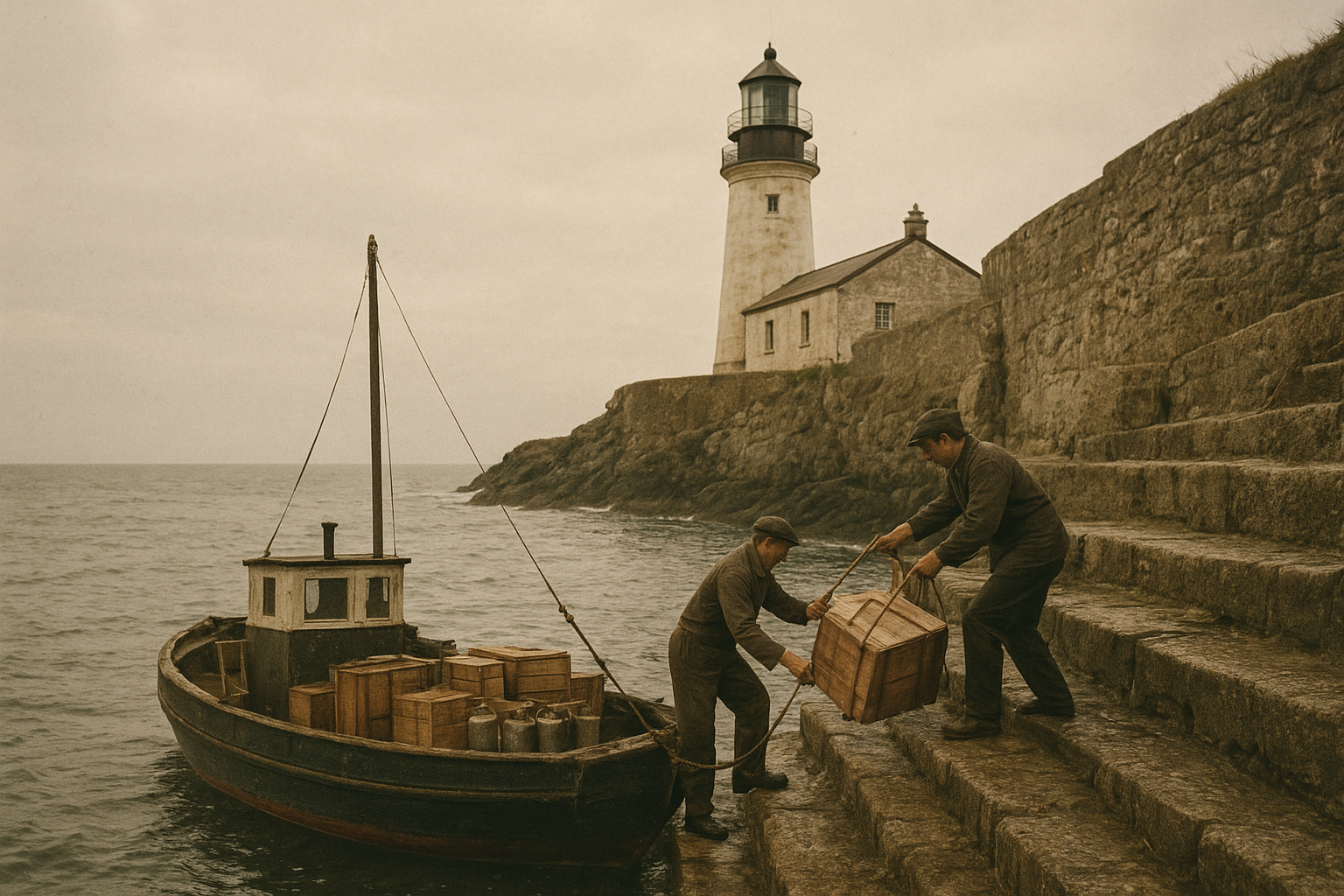
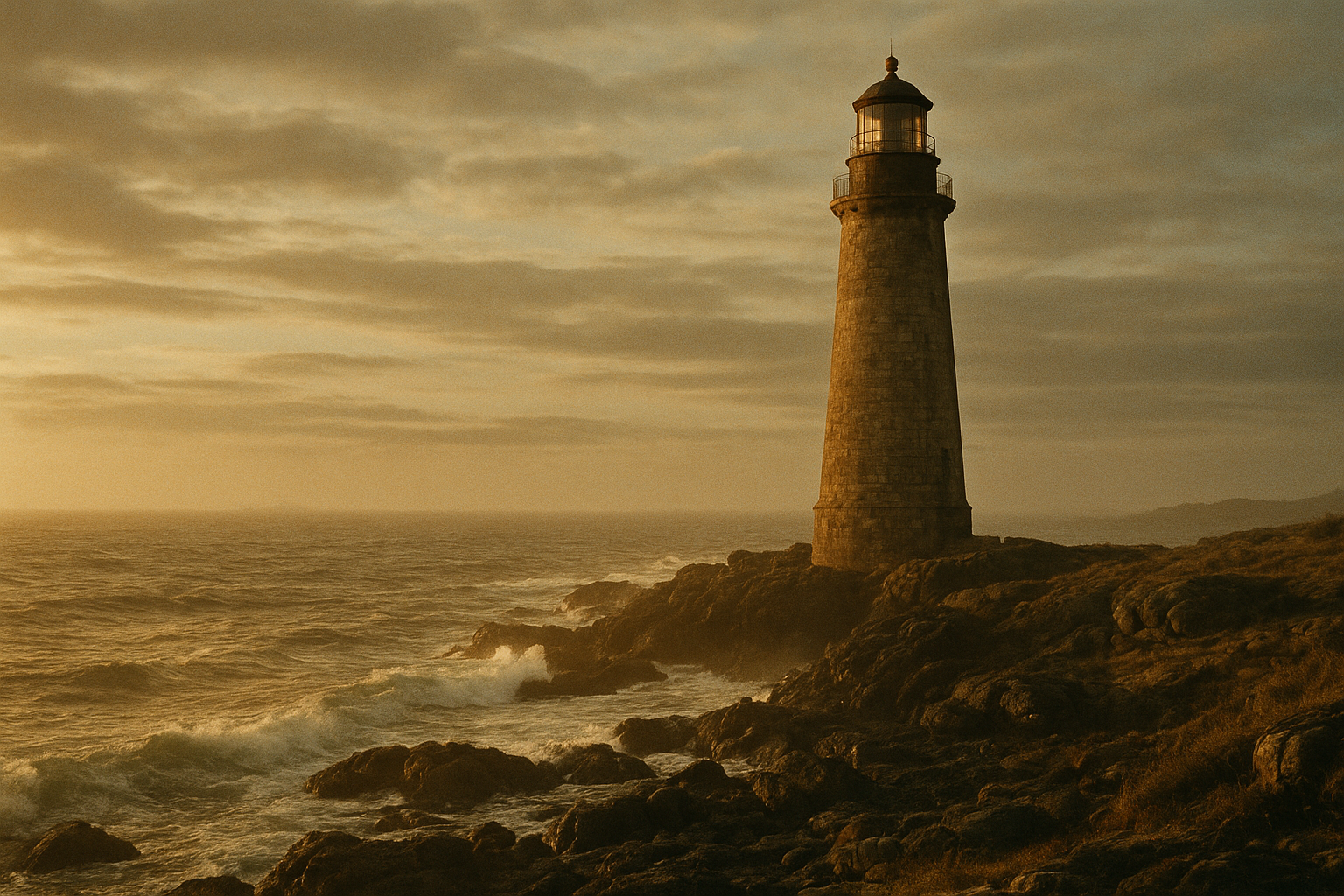
Weathered lighthouse on a rugged northern shoreline at golden dusk, rendered in warm film-photography style

Northern Coast Archive

Lighthouses of the Northern Coast

Discover archive photos, keeper stories, and preserved towers that trace the coastline’s maritime history.

Salt wind, lantern glass, and weathered stone—each beam still carries memory across the northern fog.

Coastline Introduction

Why these towers still matter

Along the northern coast, lighthouse towers trace more than safe passage at sea—they record navigation decisions, keeper labor, and today’s preservation efforts that keep maritime memory visible for future readers.

Navigation

Beacon lines and lens signals shaped safer coastal routes.

Isolation

Remote stations reveal the endurance behind everyday lightkeeping.

Preservation

Conservation work keeps towers legible as shared coastal heritage.
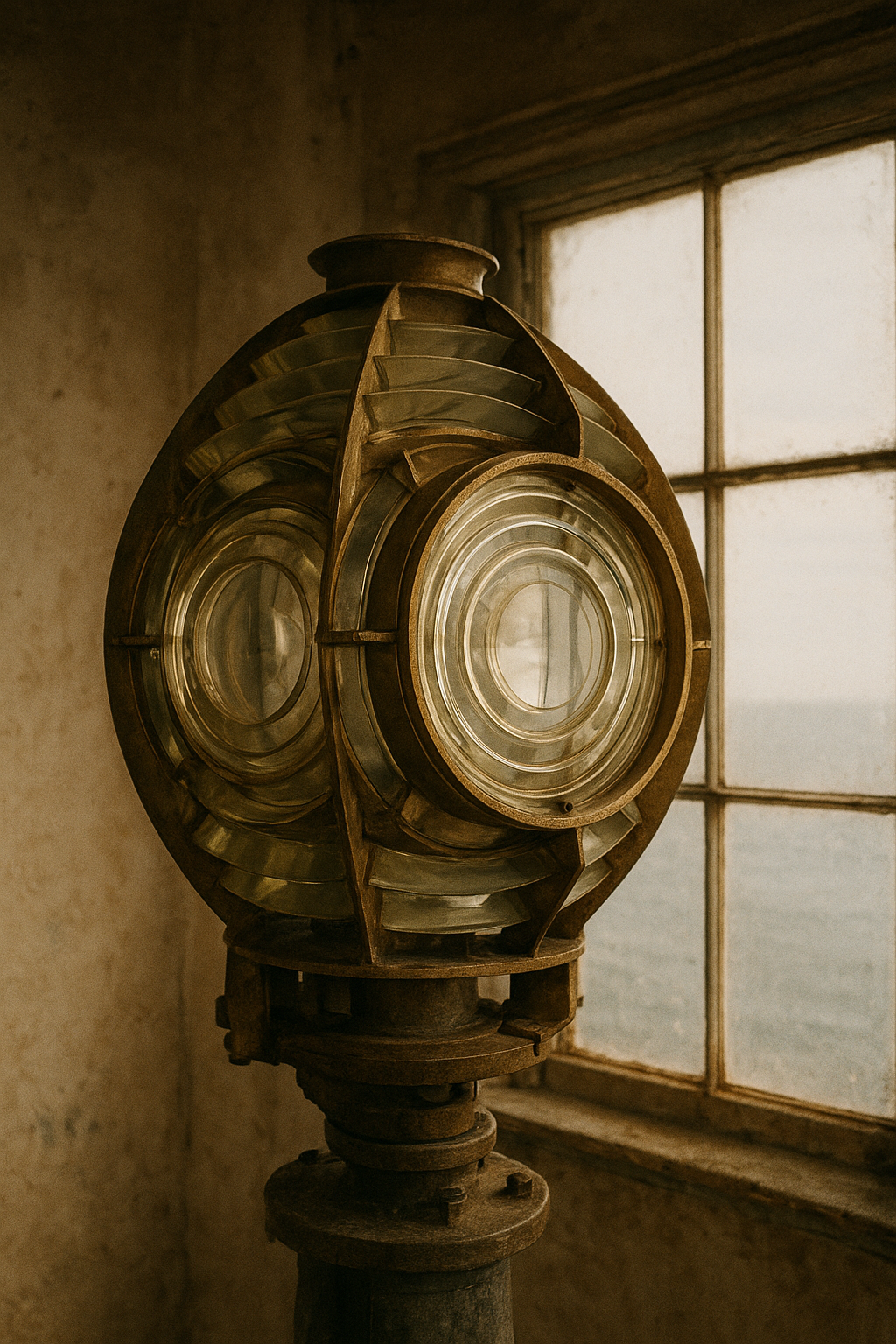
Archival-style close view of a brass lighthouse Fresnel lens assembly with weathered metal and coastal window light
Detail from the coastal archive collection

Keeper Stories

The Human Voice Behind the Coastal Lights

Beyond the archive frames, these short accounts trace the people who kept watch through salt wind, long dark, and ordinary dawn rounds.

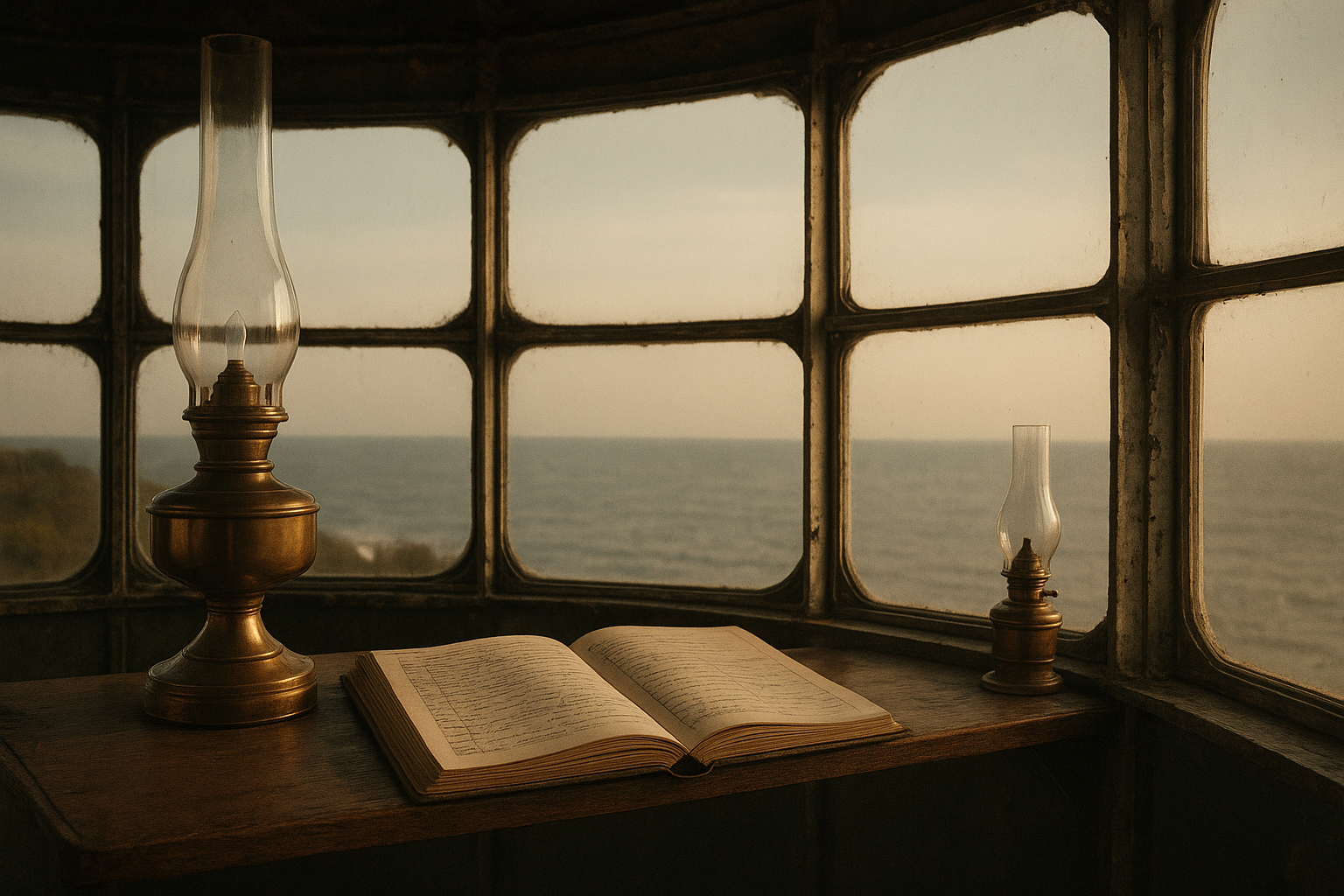
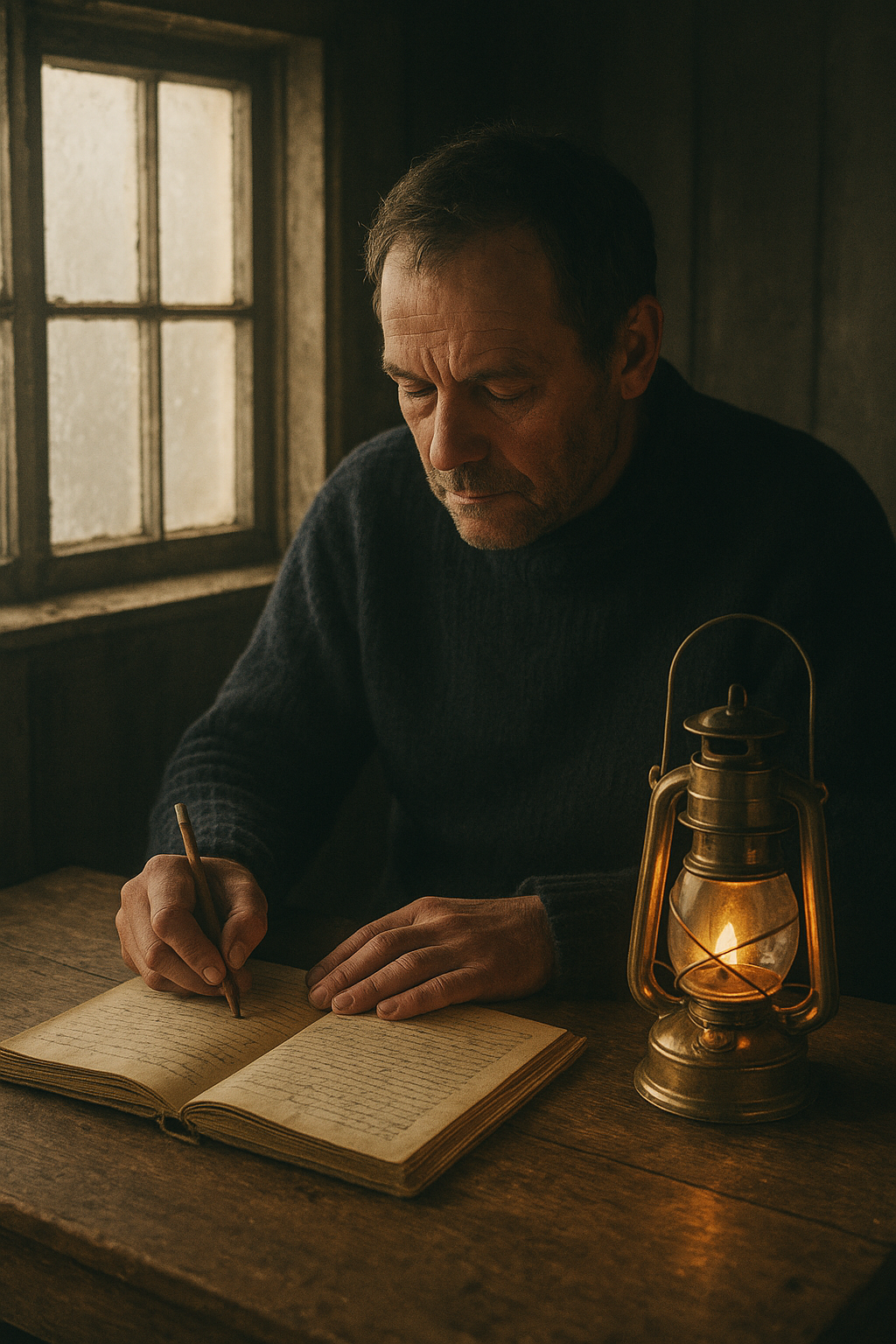
Archival-style photograph of a lighthouse keeper writing in a logbook beside a brass lantern during early dawn light
Log entry, north station, early autumn watch.

Duty Through the Night Watch

At dusk, the keeper trimmed the wick, checked the lens, and recorded each change in weather before the horizon disappeared. The work was exacting, repeated in near silence, because one missed interval could erase the light from a sailor’s charted line.

Weather as a Constant Companion

Winter gales shook the tower doors and salted every hinge by morning. Keepers learned to read cloud edges and wave color as quickly as they read official logs, trusting small signs before a storm reached the glass.

“Wind from the northwest by midnight; lamp held steady, though the panes sang.”

Routine at First Light

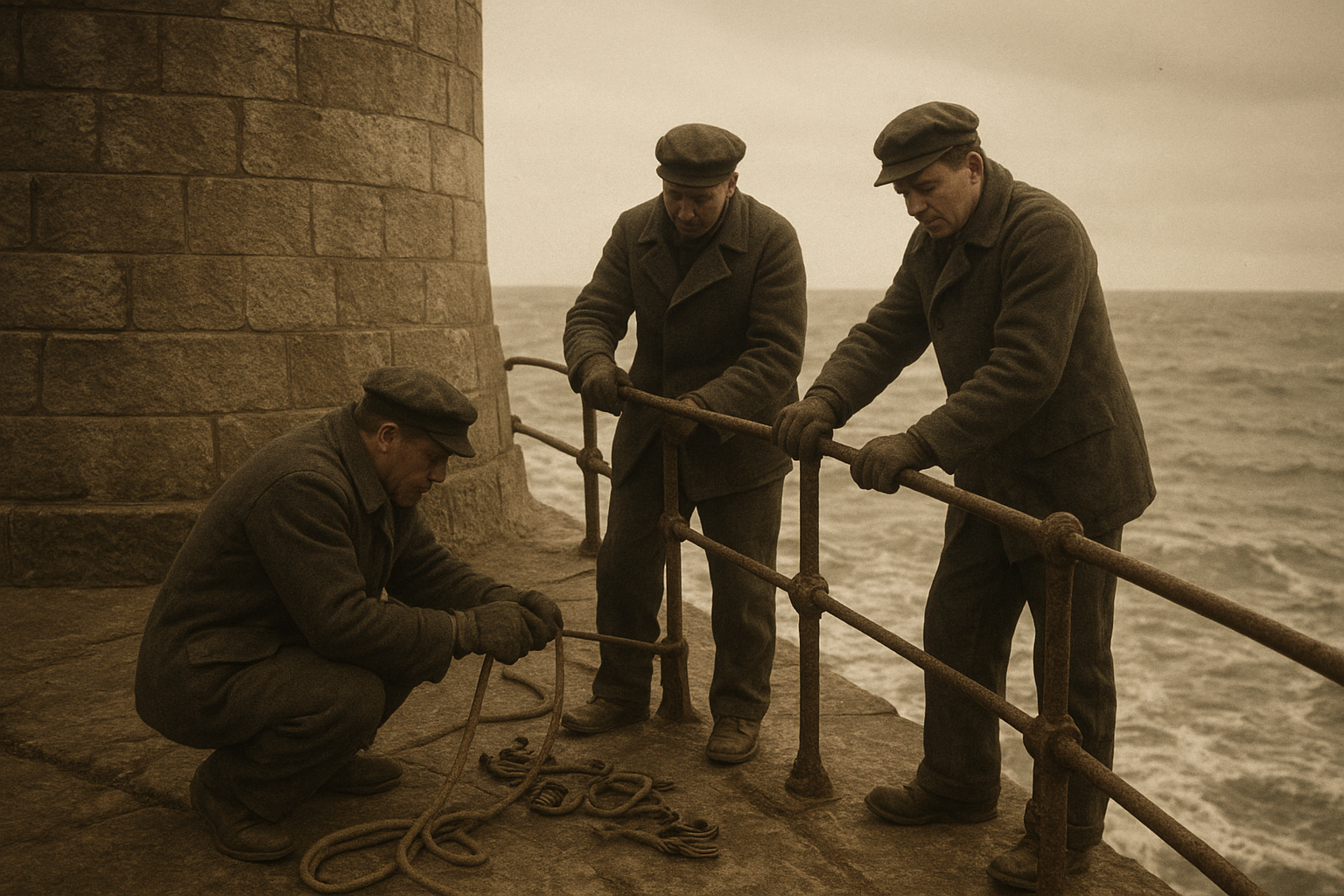
After dawn, the rhythm turned practical: polish brass, clean soot, wind mechanisms, and prepare the evening oil. These quiet tasks, repeated day after day, preserved both the beacon and the confidence of crews passing the northern coast.

Daily note: maintenance first, records second, rest when weather allows.

Preserved landmarks

Preserved towers along the northern coast

Trace surviving beacons where archival memory meets the present shoreline, from working harbor lights to weatherworn headland towers.

Preserved tower Coastal contour

Preserved towers index

  1. Northwatch Point Light

    Set above wind-cut cliffs, still guiding small harbor entries in heavy fog.

  2. Grey Shoal Beacon

    A compact granite tower marking shoals once feared by herring fleets.

  3. Harbor Gate Lantern

    Preserved at the old breakwater where keepers logged winter rescues.

  4. Cape Alder Signal Tower

    Standing beside dune grass, it anchors today’s coastal heritage trail.

Explore the towers

Visit notes

Practical reference, kept in archival tone

Common questions about what this project records, what has survived, and why some coastal places remain difficult to access.

What does this website document?

It records the northern coast lighthouse network through dated photographs, keeper accounts, and location notes, with emphasis on documented history rather than tourist promotion.

How are preserved towers different from lost stations?

Preserved towers still stand in some material form, while lost stations are known through plans, reports, foundations, or images after demolition and shoreline change.

What can archive photographs reliably show?

They can show tower form, lantern details, weather conditions, work routines, and nearby structures, but vantage, lens limits, and missing dates can leave parts of the record uncertain.

Why are some documented sites still inaccessible?

Access may be restricted by active navigation use, private ownership, fragile cliff paths, seasonal weather, or conservation controls designed to limit erosion and disturbance.

How does restoration change what survives?

Restoration can secure masonry, stairs, and lantern housing, yet it may replace weathered components; records are most useful when they note which parts are original and which are later interventions.